
Find your story.
My editing philosophies:
Edit from big → small
Editing = collaboration
Be prepared for change
Developmental
Line Editing
Copy editing
What is it?
Developmental Editing is a comprehensive, top-down approach to revision.
We start with the big picture first:
Is the plot compelling? Are there plot holes?
Does character behavior feel authentic?
Are scenes as punchy as they should be?
Do relationships strengthen naturally?
Developmental editing ensures that the story flows to a satisfying ending, the characters feel real, and the scenes are focused and driven.
Developmental editing is a collaboration between writer and editor (you and me!). It involves continuous written feedback and discussion. I identify areas that need strengthening and make suggestions on how best to do that. It involves evaluating story structure, characterization, dialogue techniques, pacing, and more.
As you make revisions, we continue the process. Do those changes resolve the “issue”? Do they stay true to the tone and vision of the story? Do they cause any plot holes or inconsistencies?
Developmental editing = making sure your story says what you intend for it to say. I consider the reader:
Will they pick up on everything you want them to?
Will they be satisfied?
Timeline
Developmental editing is a lengthy process because it involves back-and-forth between the writer and the editor. The time frame depends on:
Genre
High fantasy and “hard” science fiction will probably take longer than contemporary romance. Simply because there are more aspects to consider in fantasy and scifi, such as: Does the magic system stay consistent? Is the technology too detailed or not detailed enough? Are your blue aliens suddenly green 50 pages later?
Word Count
Longer books take longer!
Previous Editing
How much work has gone into editing in the past? Did you spend weeks editing yourself? Did you outsource line editing or proof reading (which I don’t recommend until after developmental edits)? Previous editing doesn’t guarantee a short developmental edit time frame, but it could help!
Your Schedule
Since developmental editing is collaborative, your schedule will impact how soon the process is finished. Do you have time to regularly review feedback? How much time can you allot to revision and rewriting?
Is this right for you?
- Do you have a complete manuscript?
- Are you prepared to hear and incorporate constructive criticism?
- Are you looking for feedback on overall development and plotting?
- Do you have time to devote to regular revision?
If you know there are problems but you don’t know where to start, then developmental editing might be the best next step for your manuscript.
Let’s chat about your project so we can figure out how to move forward together.
What is it?
In a line edit, I examine every word, sentence, and paragraph in the manuscript. Everything is scrutinized: typos, wrong or repeated words, punctuation, sentence structure, flow, and more.
This includes everything from headings and chapter titles to the author bio and synopsis. Everything is scrutinized, commented on, tracked, and corrected.
This also involves bigger-picture actions, such as moving sections to smooth out transitions and timelines, suggesting clearer or more purposeful language, and looking for inconsistencies (how is your character wielding a sword if she broke her arm two chapters ago?).
Line editing ensures the writing is streamlined and consistent but does not delve into plot development.
It’s better to save line editing until you have a finished manuscript. If you edit the details now, but change major aspects later, chances are you’ll need to line edit again.
Timeline
Line editing is a slightly more stream-lined process than developmental editing. Line editing requires less back-and-forth collaboration. You send me your draft, I mark it up, add in-line comments, or make the changes. When you get it back, you either accept those changes or use them as guides for your own revisions.
The time frame will depend on:
Word Count
Longer books take longer!
Previous Editing
How much work has gone into editing in the past? Did you spend weeks editing yourself? Have you hired an editor before? Have you already done developmental editing? Previous editing doesn’t guarantee a shorter timeline, but it could help!
Is this right for you?
- Have you already addressed and revised any global issues with the story (structure, plot)?
- Is this your final draft?
If the answer is yes, it’s probably a good time for line edits!
What is it?
Copy editing and line editing are often conflated or confused with each other. Line editing is that nitty-gritty, detail-by-detail editing. Copy editing, on the other hand, is about proof-reading and consistency.
Copy Editing is for those squeaky-clean, thoroughly-edited manuscripts that just need another pass for mechanical issues. That being said, those manuscripts are really rare! Most people need line editing when they believe they want copy editing (proof-reading).
Copy editing involves:
- Correcting typos and missed words
- Checking punctuation is used correctly
- Making sure words, names, and places are consistent
- Making new paragraphs to break up long stretches of text
- Pointing out overuse of italics, bold, and quotation marks
Copy editing / proof-reading does not involve suggesting larger changes to plot, story organization, or character development. I will look at the words, not the purpose or success of the story.
Timeline
Copy editing is very detail-oriented, so it will take a bit of time. However, by this point your manuscript should be heavily edited and revised. A proofread will always be quicker than a line edit and developmental edit, because it involves looking at the micros, not the macros of development and structure.
You will get your proof-read manuscript back as a whole, rather than working through it section by section or chapter by chapter. Once you have it back, I’m happy to clarify or explain the reason for any suggestions, but I won’t perform a second proof-read after you’ve made changes.
Is this right for you?
- Is your manuscript super clean?
- Have you done developmental editing or line editing?
- Have you spent time proof-reading after you finished writing it?
- Do you just need another glance to make sure you haven’t tossed in an extra ‘the’ or confused ‘accept’ with ‘except’?
Yes to all? Then reach out. I’ll take a look at a sample and let you know if we’re proofread ready, or if we need to back up and do some line editing.
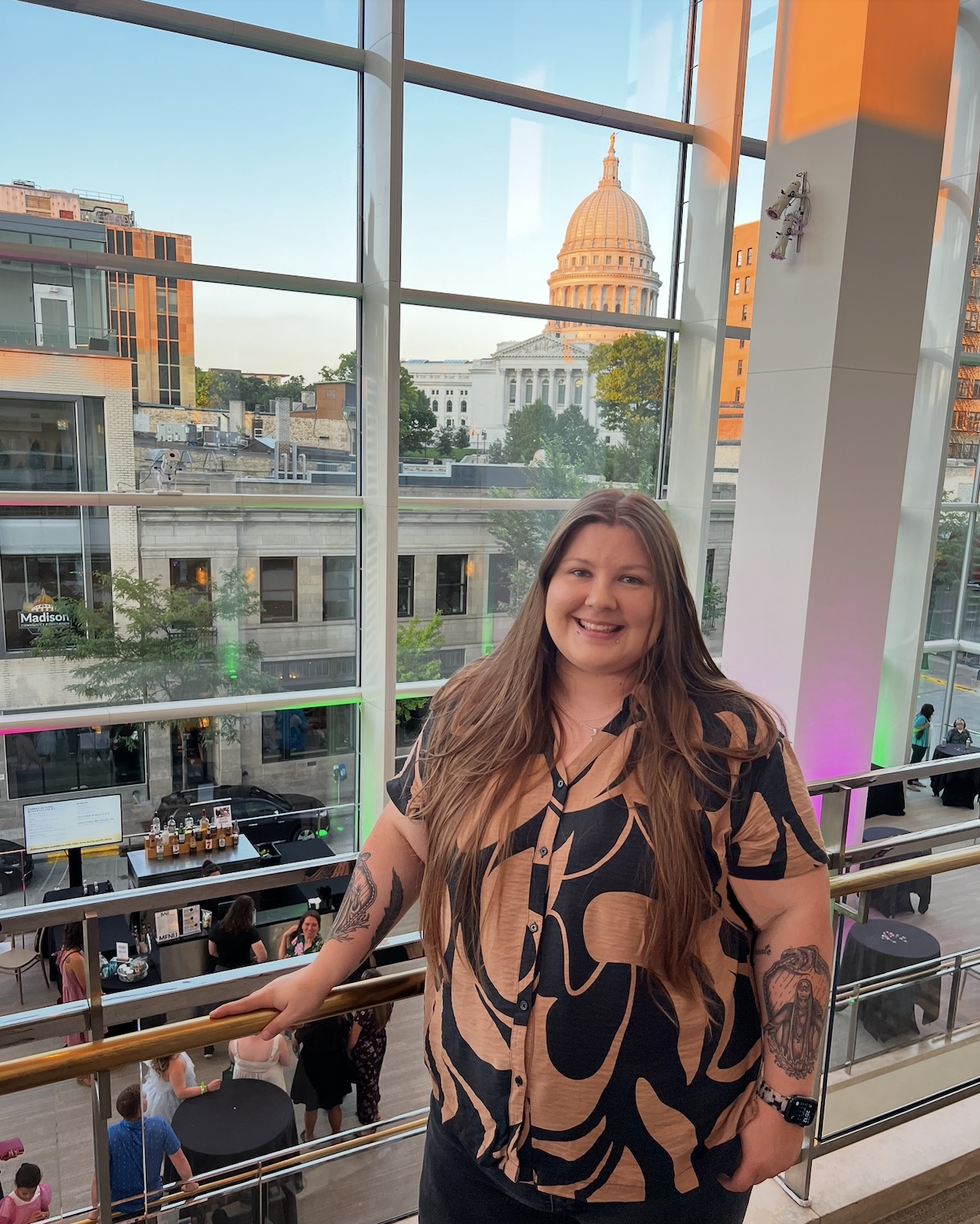
Maddi Smith
Looseleaf Editing
looseleafediting.com || editmaddi@gmail.com